
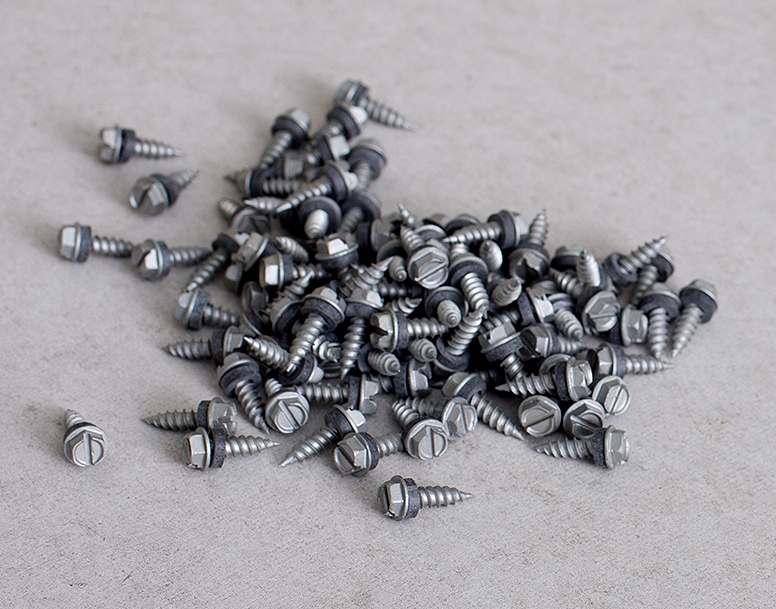
Sealing Washer Installation Problems
Sealing Washer problems are generally associated with either the installation technic or the Sealing Washer product being unsuitable for the application.


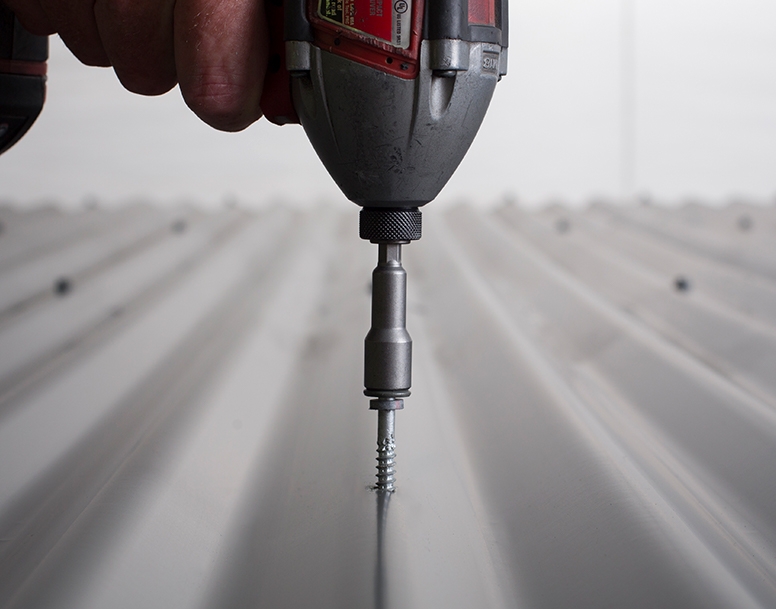
Buildex® self-drilling fasteners are designed with features to suit a wide number of applications and materials and it is important that they are used correctly. Refer to the product data sheets for the suitable product for the intended application and the Installation Instructions. It is recommended to use a Driver Tool with a clutch and a minimum power rating of 600W with a minimum of 1500rpm. If a Mains Powered Drill, a Cordless Impact Driver Tool or a Cordless Drill is used care needs to be taken not to over tighten the fastener or damage the painted product during installation.
The best screw depends on your timber and project. For decking, Buildex® Self-Drilling Screws offer a flush, split-free finish, while Dec-King® 316 Stainless Steel is the gold standard for coastal or poolside areas.
For heavy structures like pergolas, fasteners like Buildex® Bugle Head Batten Screws provide superior pull-down strength. Use Timber Construction Screws for fixing metal hardware to wood. Finally, for treated timber, Countersunk Ribbed Head screws with a Climacoat® finish are recommended to prevent chemical corrosion. Choosing the correct fastener will ensure your structure remains durable and secure.
Fastener Corrosion Protection Requirements
Whether pre-drilling is required depends on your timber. Buildex® Self-Drilling Decking Screws are trade-grade fasteners engineered to allow you to skip this step. They feature a Quick-Drive Point for immediate grip and Super Threads that draw out fibres to reduce friction. Cutting Nibs under the head ensure a flush finish without pre-countersinking.
While flexible softwoods like treated pine often don't require pilot holes, dense hardwoods like Jarrah may still crack or cause screws to seize. For these heavier timbers, using a Buildex® Bugle Head Type 17 is recommended.
During installation, apply steady pressure and avoid overdriving as over-tightening can damage the washer and lead to leaks. By using a roofing fastener with a sharp point design, this will help screw down your metal roofing quicker and more efficiently.
For best results, select a metal roofing screw, such as RoofLOK® or RoofZips®, which are designed to securely grip metal sheeting effectively and prevent water entry and over-drilling.
Always match the correct screw to your substrate, whether you’re fixing into steel or timber battens.
Yes, in most suburban environments, stainless screws can be a good option for various general residential applications and timber projects, such as fencing, pergolas and decking, even when there is mild humidity or salt exposure. Buildex® Stainless Steel 304 fasteners offer good corrosion resistance in inland, low-corrosive conditions.
For outdoor projects and poolside decking that require marine-grade corrosion protection, Buildex® Stainless Steel 316 fasteners offer superior strength.
For areas with harsher environmental exposures, turn to coatings with a Buildex Climaseal® 4 coating or higher — particularly for metal roofing and cladding projects.
Standard screws with zinc alloy and light galvanised coating are not recommended near coastlines due to potential zinc breakdown. You will want to avoid these when the proximity of the tidal zone and salt spray is close, as this will expose your steel fasteners to a quicker corrosion rate.
Only use Buildex screws with a zinc alloy coating for general indoor and some outdoor environments, such as sheltered patios and garages. Use standard galvanised coated screws for general outdoor construction (e.g. framing, fencing and general hardware) that is non-marine.
Sealing Washer problems are generally associated with either the installation technic or the Sealing Washer product being unsuitable for the application.
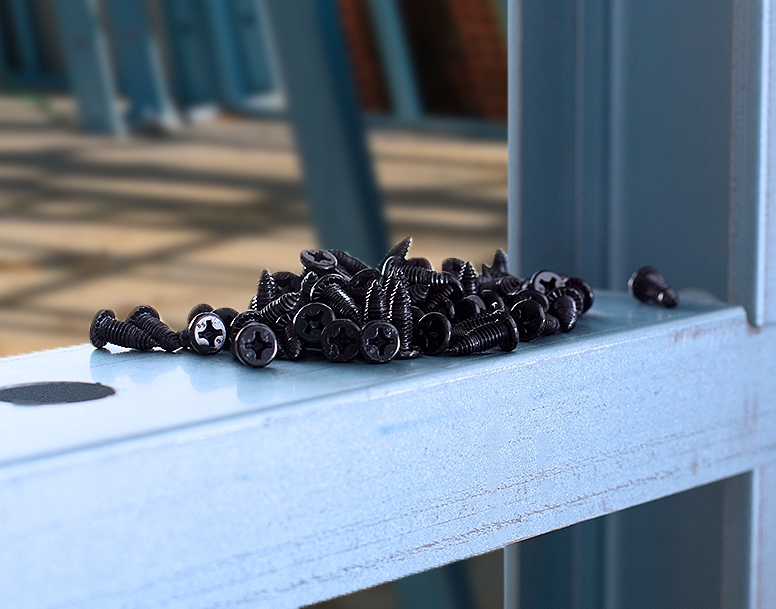
The range of Smooth Top and Hex Head Truss and Framing Fasteners problems will be encountered when using these screws outside, the length and size of the fastener recommendations for the compatible thickness of the steel frame sections.

It is recommended when installing a Multi and Chipboard Fastener into steel that the length and size of the fastener must compatible with type and thickness of the timber and the thickness of the steel.
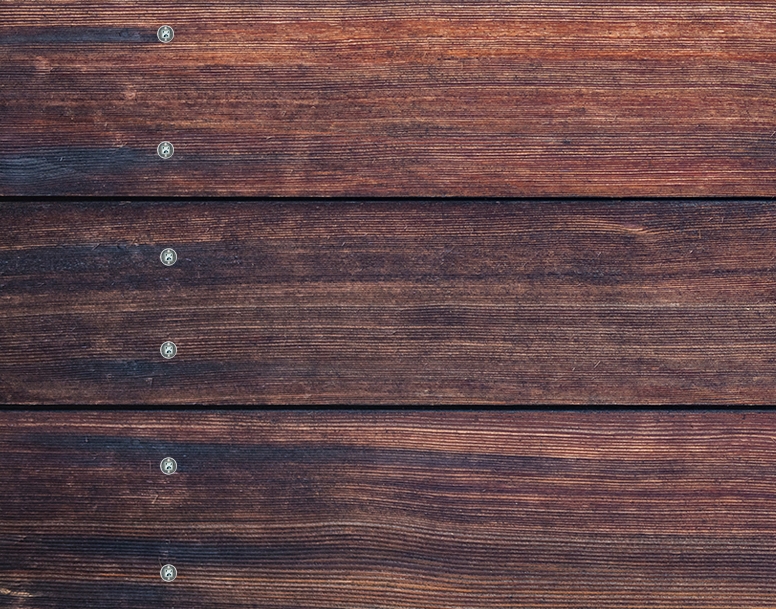
When installing the Dec-King Fastener into timber or composite board into timber the fastener must compatible with type and thickness of the timber. The Dec-King Fastener is not suitable for installing into steel structures, for installing into steel structures use the Dec-King Steel Fastener.
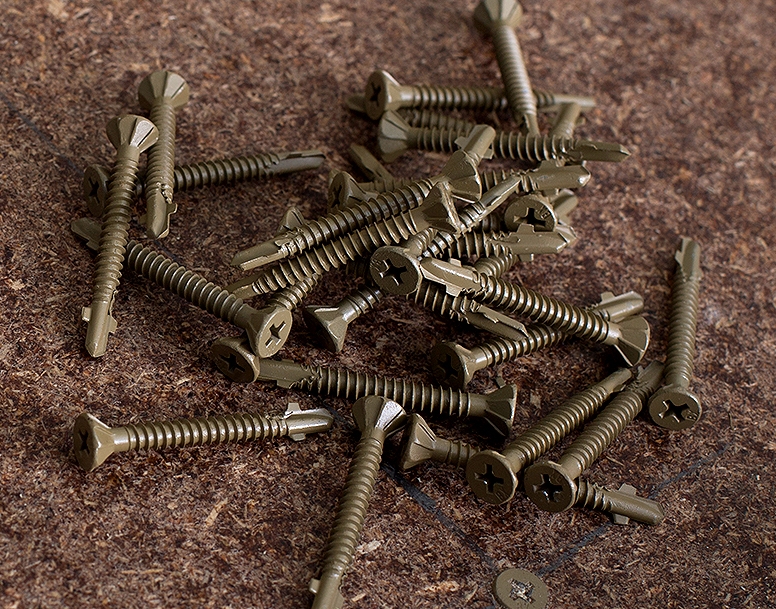
When installing a Wing Teks Fastener into timber or composite board into steel that the length and size of the fastener must compatible with type and thickness of the timber and the thickness of the steel.
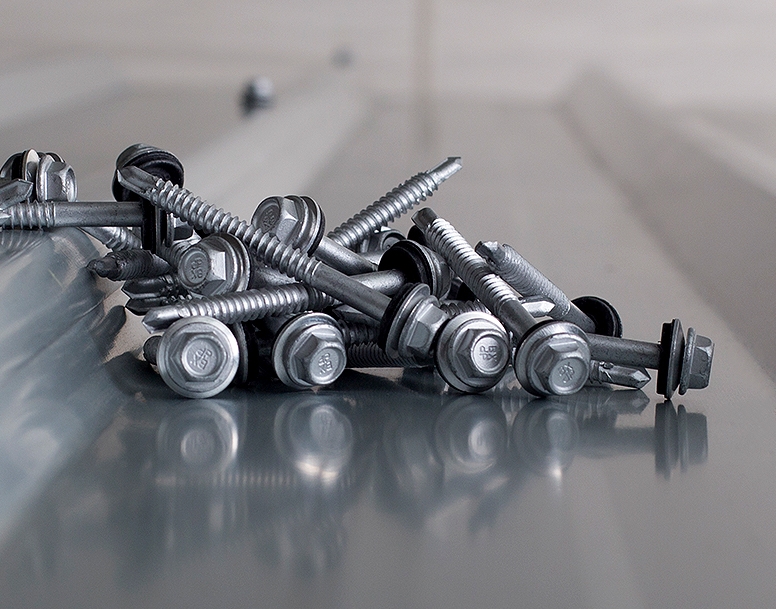
Installations problems with T17 product into cladding are usually the installation technique or the T17 product being unsuitable for the application. Stainless Type 17 Fasteners should not be used to fix cladding other than aluminium, or be used to thru cladding into pre-drilled holes into metal. The result will be a non-functional connection.
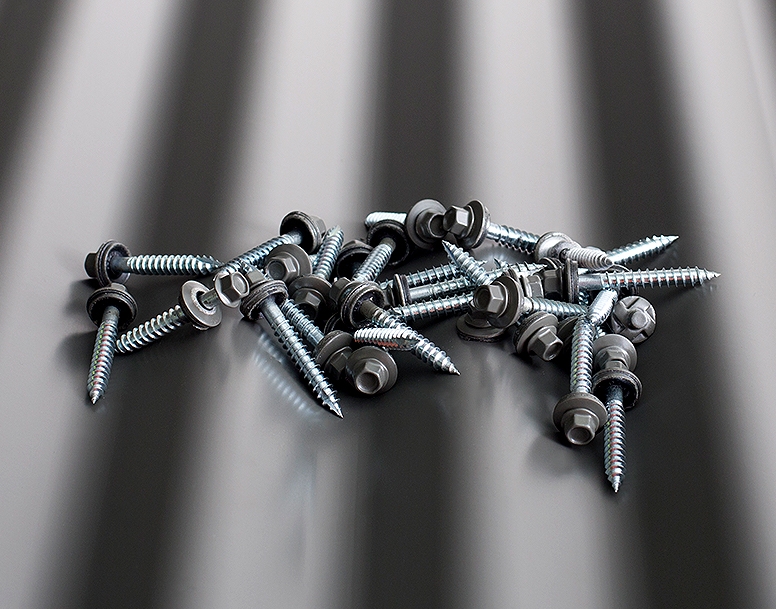
Installations problems with T17 product into cladding are usually the installation technique or the T17 product being unsuitable for the application.
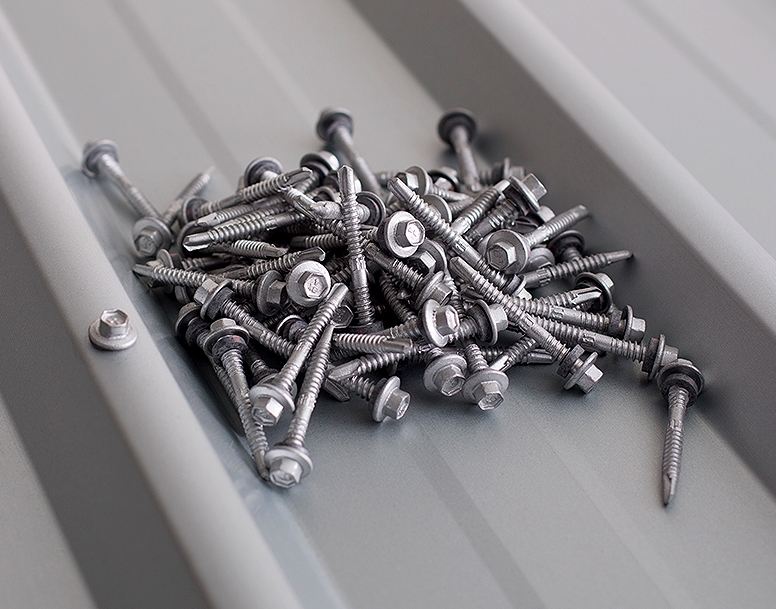
Installations problems with Metal Teks product into cladding are usually the installation technique or the Metal Teks product being unsuitable for the application.
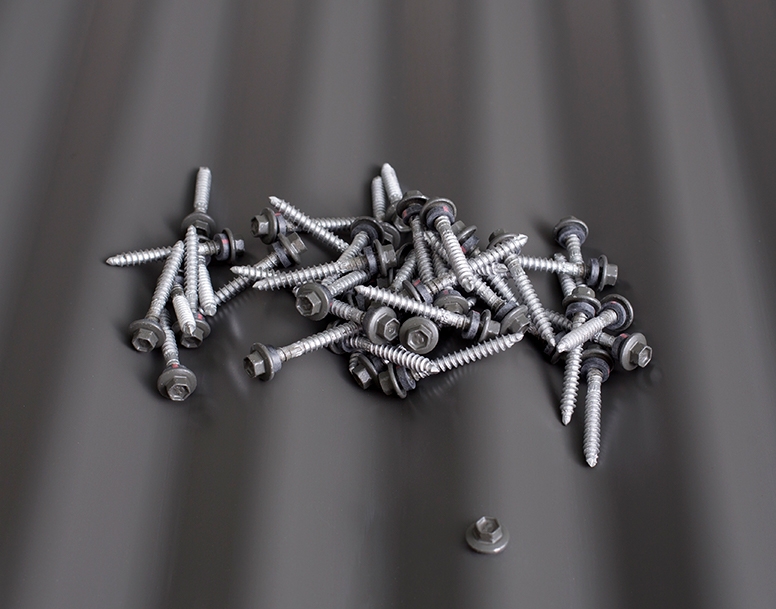
Installations problems with Zips product are usually the installation technique or the Zips product being unsuitable for the application.
Driver Bit problems are generally associated with either the incorrect driver bit being used for the fastener drive or by use or a worn driver bit.